Wondering when to put your Chandler home on the market so it sells faster and for more? Timing matters, but so do preparation, pricing, and how well your agent markets your home. Chandler’s buyer pool is active most of the year, with different groups peaking at different times. In this guide, you’ll learn how seasonality affects demand, what local factors to watch, and a clear 3 to 6 month prep plan to launch with confidence. Let’s dive in.
Chandler seasonality at a glance
Chandler follows a similar rhythm to the greater Phoenix area. Buyer activity often peaks from late winter through late spring, roughly February to May. That window typically brings more showings and stronger offers when your home is priced and presented well.
Winter can still be productive. Out-of-state visitors and retirees often shop in Chandler between December and February, so a well-prepared listing can perform even in cooler months.
Summer is mixed. Families who want to move before the school year may stay active in early summer, but extreme heat in July and August can reduce open-house traffic and curb appeal. Smart indoor staging, climate comfort, and compelling photos become even more important if you list then.
How season affects price and days on market
- Spring listings often attract more showings and can support stronger pricing when inventory is tight.
- Off-peak months can still work, especially if you face less competition or attract motivated buyers such as relocations.
- Interest rates and local inventory can outweigh season. A shift in mortgage rates or new-construction supply can change days on market quickly, so always watch current data.
When to list for top results
If you can choose your timing, late winter to late spring is often the best window. February through May typically aligns with higher buyer traffic across the metro area.
If your buyer is likely a relocating professional or a retiree, winter can be a great fit. These buyers are active even when the overall market is quieter, especially if your home is move-in ready.
For families, late spring through early summer can align with school transitions. Many parents prefer to close before the new school year starts, so listing in late spring can help you capture that window.
For unique or higher-priced properties, adjust your plan based on competition and buyer behavior. Positioning during spring or early summer may make sense when qualified buyers are most active, but always confirm with current local data.
Local drivers to consider
- Employment hubs. Chandler’s job centers, including manufacturing and tech, can fuel year-round demand. Any hiring or expansion can boost buyer traffic in nearby neighborhoods.
- New construction. East Valley new builds can add competition for resales. Keep an eye on City of Chandler and county permit activity to see if new supply is ramping up.
- Events and winter visitation. Seasonal events and winter travel bring more out-of-state visitors in early months of the year, which can support demand outside the typical spring peak.
- Climate and home features. High summer temperatures mean your A/C, shade, and outdoor living spaces matter. Pool readiness, energy-efficient upgrades, and comfortable interiors can help your home stand out.
3 to 6 month prep timeline
A thoughtful prep plan lets you hit the market at the right moment with a standout presentation. Use this timeline as a guide and tailor it to your property.
Weeks 12–24: Assess and plan
- Request a comparative market analysis from a local agent to understand recent comps, price bands, and days-on-market trends.
- Order a pre-listing inspection to identify major items early. Decide what to repair and what to disclose.
- Gather utility bills, HOA documents, and title/deed info for your listing packet.
- If you’re considering updates, get quotes now. Prioritize high-ROI items: fresh paint, flooring, curb appeal, kitchen/bath refreshes, and reliable systems (especially A/C).
- Check local permit history and resolve any open items before you list.
Weeks 6–12: Repairs and staging plan
- Complete prioritized repairs and schedule any contractor work.
- Deep clean and depersonalize. Aim for neutral colors and a simple, spacious feel.
- Build a staging plan that highlights indoor/outdoor living, shade, and pool areas.
- Improve curb appeal: refresh landscaping, check irrigation, add mulch, clean the exterior, and service the pool if you have one.
- Revisit comps with your agent to refine your target price range.
Weeks 2–6: Final prep and marketing assets
- Touch-up paint, complete professional cleaning, and finalize staging.
- Hire a professional photographer. Consider drone shots for lot context and twilight photos for exterior lighting and pool appeal.
- If video tours or virtual staging fit your strategy, schedule them now.
- Prepare disclosures and HOA documents.
- Discuss a “coming soon” window if allowed by your MLS to build early interest.
Weeks 0–2: Launch week
- Do a final walkthrough to confirm repairs and staging are complete.
- Go live with professional photos and a clear, benefit-focused description. Call out commute convenience, indoor/outdoor flow, A/C age and service, and pool status.
- Schedule showings to maximize peak times, especially evenings and weekends. Consider open houses if they fit your plan.
Staging and photography for Chandler
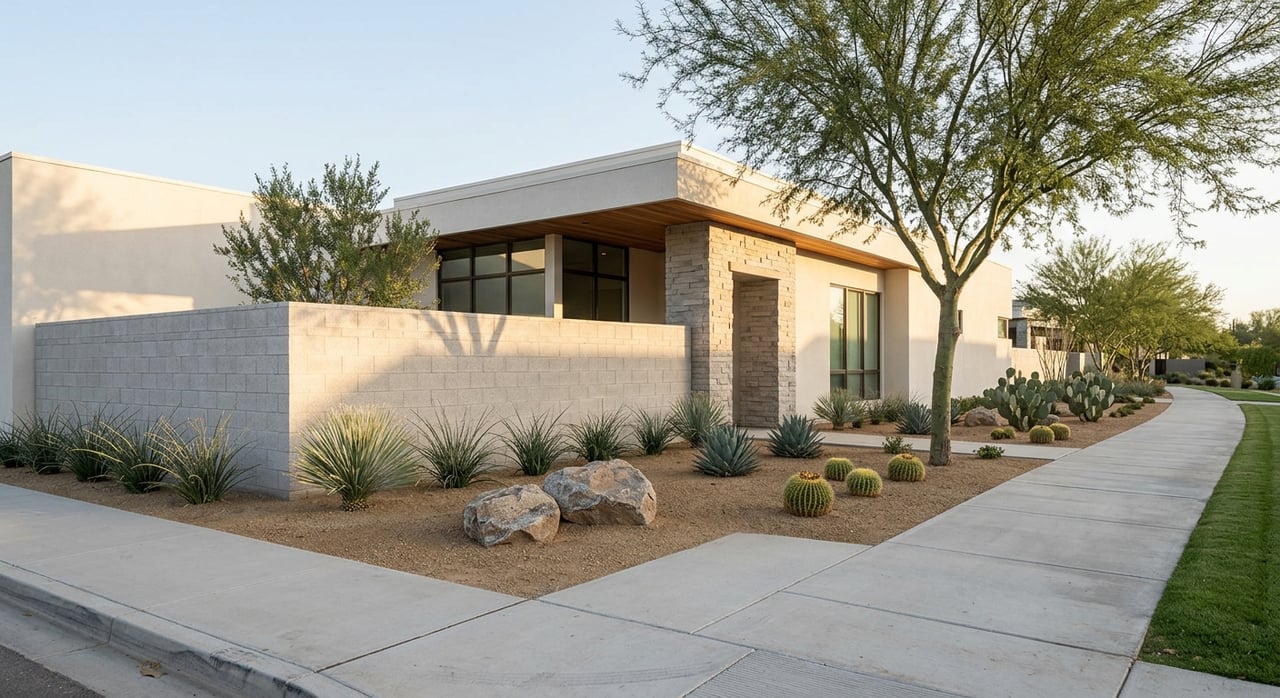
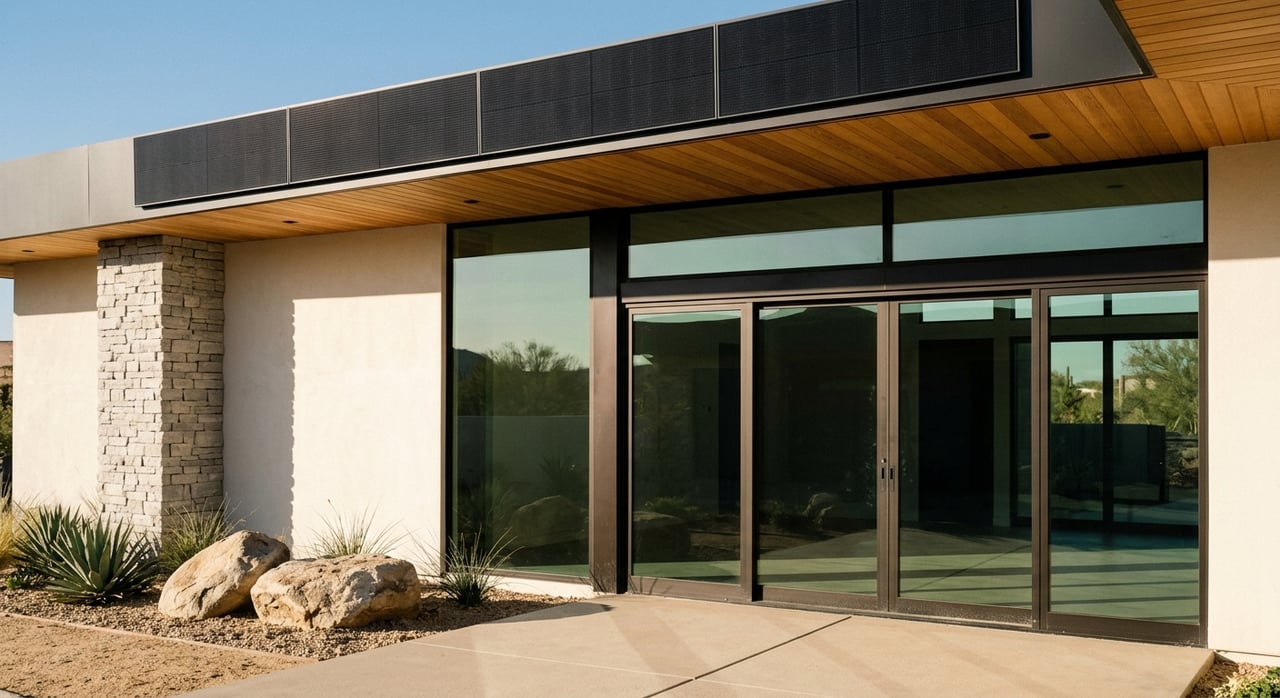
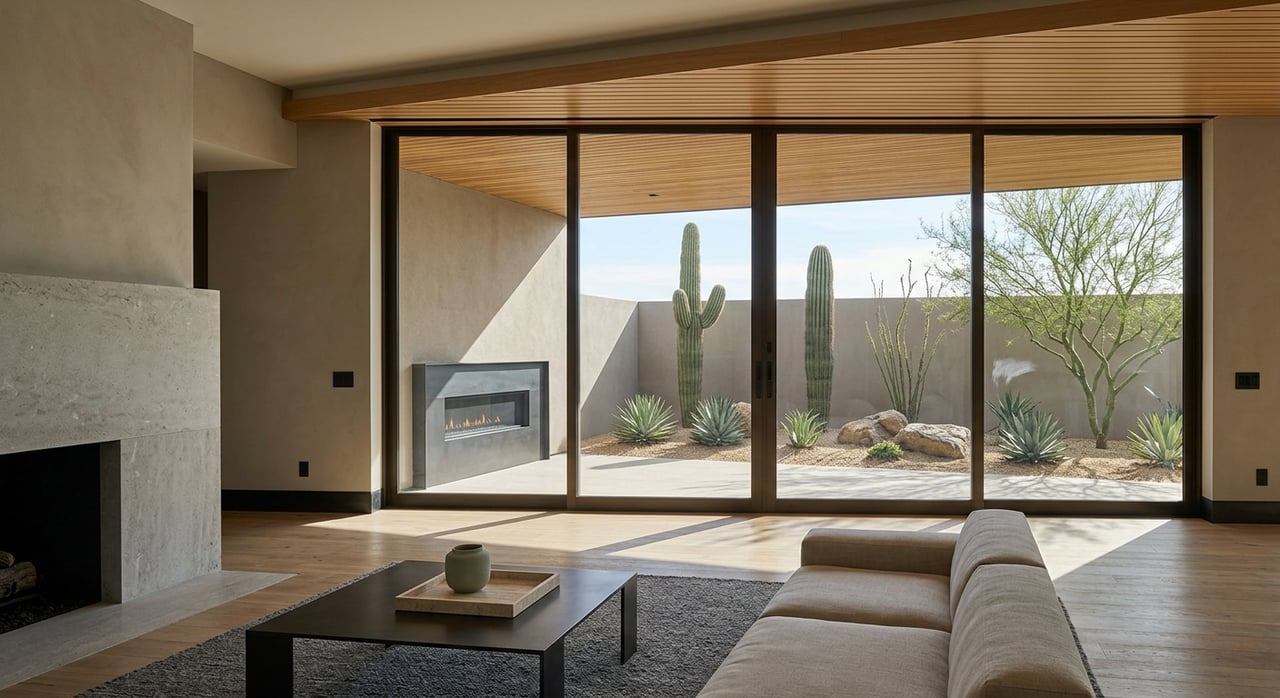
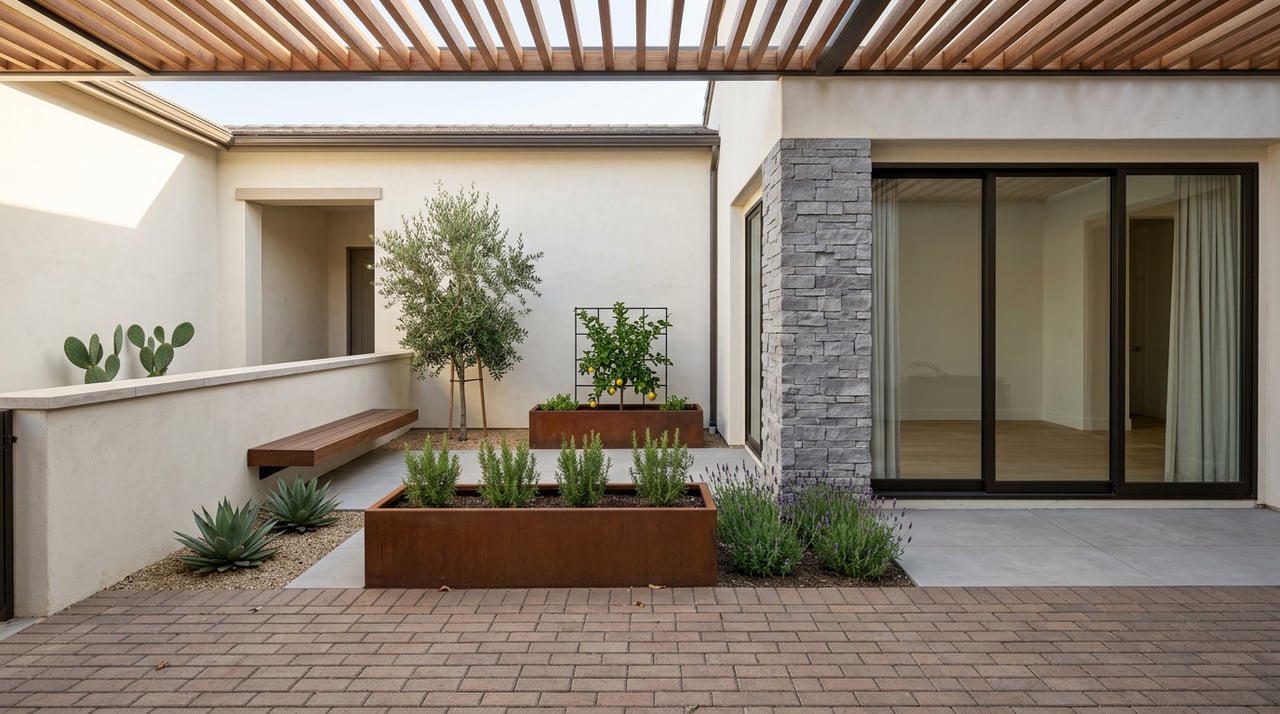
- Emphasize indoor/outdoor living. Feature shaded patios, pergolas, and low-water landscaping that’s easy to maintain.
- Show comfort and efficiency. Keep the home cool during showings and note energy-efficient features, recent A/C replacements, or roof work.
- Use twilight photography for homes with pools or exterior lighting. The right timing can make your backyard shine.
- Keep the pool pristine. Balanced water, clean decking, and clear safety features give buyers confidence.
- Make it move-in ready. Neutral paint, clutter-free rooms, and clear traffic flow help buyers see themselves in the space.
Pricing strategies by season
- Spring (Feb–May): If your home shows beautifully and inventory is tight, you can price near the top of the market range to encourage strong interest.
- Winter (Dec–Feb): Set a price that reflects a smaller buyer pool, but remember that motivated buyers like relocations and retirees will pay a premium for a turnkey home.
- Summer (Jun–Aug): With potential for lower foot traffic, consider buyer-friendly incentives such as closing-cost credits or flexible closing dates. Highlight heat-mitigating features like newer A/C and shaded outdoor areas.
- Always align with current data. If days on market are rising across Chandler, adjust price and marketing quickly to avoid going stale. Consider a pre-inspection, a home warranty, or flexible showing windows to reduce friction.
What to track before you list
Monitoring a few key metrics each month helps you time your launch and set the right expectations.
- Median sale price and price per square foot (citywide and by ZIP).
- Active inventory and new listings per month.
- Pending-to-active ratio or absorption rate to gauge market tightness.
- Median and average days on market.
- List-to-sale price ratio to see how close homes sell to their asking price.
- New-construction activity and builder inventory in Chandler.
Use these signals to steer your strategy: if inventory is low and the pending ratio is high, the environment favors sellers. If days on market rise and list-to-sale ratios fall, plan for more conservative pricing or enhanced marketing.
Quick timing scenarios
- You want the strongest buyer pool. Target late winter through late spring. Prep 2 to 4 months in advance so you hit the market with refreshed paint, repairs, and great photos.
- You need to sell in winter. Focus on a move-in ready presentation, clear disclosures, and pricing that reflects current inventory. Leverage the interest of out-of-state visitors.
- You must list in summer. Keep interiors cool during showings, schedule evenings and weekends, and spotlight features that beat the heat. Consider incentives to keep momentum.
- You’re moving before school starts. List in late spring to catch buyers who want to close over summer. Stage for space and function so families can picture an easy transition.
Avoid common timing mistakes
- Waiting for a “perfect” month without checking interest rates and inventory. Seasonality helps, but market conditions can matter more.
- Listing before the home is ready. Poor photos or unfinished repairs can cost you time and money.
- Overpricing in slower months. A long days-on-market count can invite lower offers. Price to the moment and adjust quickly if feedback points to value concerns.
- Skipping staging and pro photography. In Chandler’s bright sun and warm climate, expert visuals and comfort cues set your home apart.
Your next steps
- Pick your target launch window based on your goals and the likely buyer for your home.
- Start your 3 to 6 month prep plan now, even if you’re aiming for spring. A well-prepared home always performs better.
- Review current Chandler metrics and new-construction activity so your pricing reflects today’s conditions, not last season’s.
- Get a local CMA and a tailored plan that aligns timing, presentation, and pricing with your goals.
If you want a data-informed strategy and premium marketing that showcases your home at its best, schedule a consultation with Michelle Mazzola. Together, you’ll create a timeline and launch plan that fits your life and the Chandler market.
FAQs
What month tends to deliver the highest sale price in Chandler?
- Late winter through spring often brings the most buyer traffic and competitive pricing, but current interest rates and inventory can outweigh seasonality. Check recent local reports before setting your timeline.
Is winter a bad time to list a home in Chandler?
- Not necessarily. Winter attracts out-of-state buyers and relocations. If your home is move-in ready and inventory is limited, a winter listing can perform well.
How long should I spend preparing my home to sell?
- Plan 4 to 12 weeks depending on repairs and updates. Minor refreshes fit in 2 to 6 weeks; larger projects take longer and should be weighed against expected return.
Should I wait until after school ends to list if I have kids?
- Listing in late spring helps you reach families who want to move over summer and be settled before school starts. If you list too late, demand may taper as summer heat peaks.
How do I handle pool prep and showings during Chandler’s summer heat?
- Keep the pool clean and equipment serviced, set comfortable interior temperatures, offer evening or weekend showings, and highlight A/C condition and energy-efficient features in your listing.