If you have ever walked into a Tempe home in July and immediately wondered what the electric bill looks like, you are not alone. In a city with hot summers, low humidity, and strong sun, buyers often notice energy efficiency through one simple question: Does this home feel comfortable without working the AC to death? If you are buying or selling in Tempe, it helps to know which features stand out most, why they matter, and how to talk about them in a way buyers understand. Let’s dive in.
Why energy efficiency matters in Tempe
Tempe’s desert climate shapes how buyers evaluate a home. The City of Tempe describes the area as arid with hot summers, and one official city document notes an average July daytime high of 105°F, with temperatures that can reach 120°F. In conditions like that, comfort is not a luxury. It is part of how buyers judge day-to-day livability.
That is why energy-efficient features tend to get the most attention when they are tied to comfort and monthly costs. The U.S. Department of Energy says weatherization can help save energy and improve comfort, especially through air sealing, insulation, moisture control, and ventilation. It also notes that proper insulation, efficient windows and doors, shading, daylighting, and ventilation can help keep a home cooler with less air conditioning.
Consumer interest supports that idea. In the 2024 NAR sustainability report, clients most often cared about windows, doors, and siding, followed by a comfortable living space and utility bills or operating costs. In other words, buyers are often looking for practical benefits they can feel and understand.
Features Tempe buyers notice first
Some upgrades are hidden behind walls or in the attic, while others are easy to spot during a showing. In Tempe, the most valuable features often combine both visibility and real performance.
Smart thermostats
A smart thermostat is one of the easiest energy upgrades for buyers to notice. According to ENERGY STAR, certified smart thermostats are independently tested to save energy and money, and many include app control, learning features, geofencing, and occupancy sensing.
That matters in Tempe because cooling is such a large part of daily life. APS also explains that smart thermostats can help reduce on-peak use by pre-cooling before peak hours, and eligible customers may qualify for up to $85 in the first year through Cool Rewards. For sellers, this makes the upgrade easy to explain. For buyers, it signals convenience and cost awareness.
Windows, shade screens, and window film
Windows do a lot of work in a desert climate. If a home has older windows, heavy sun exposure, or rooms that heat up in the afternoon, buyers often notice it quickly.
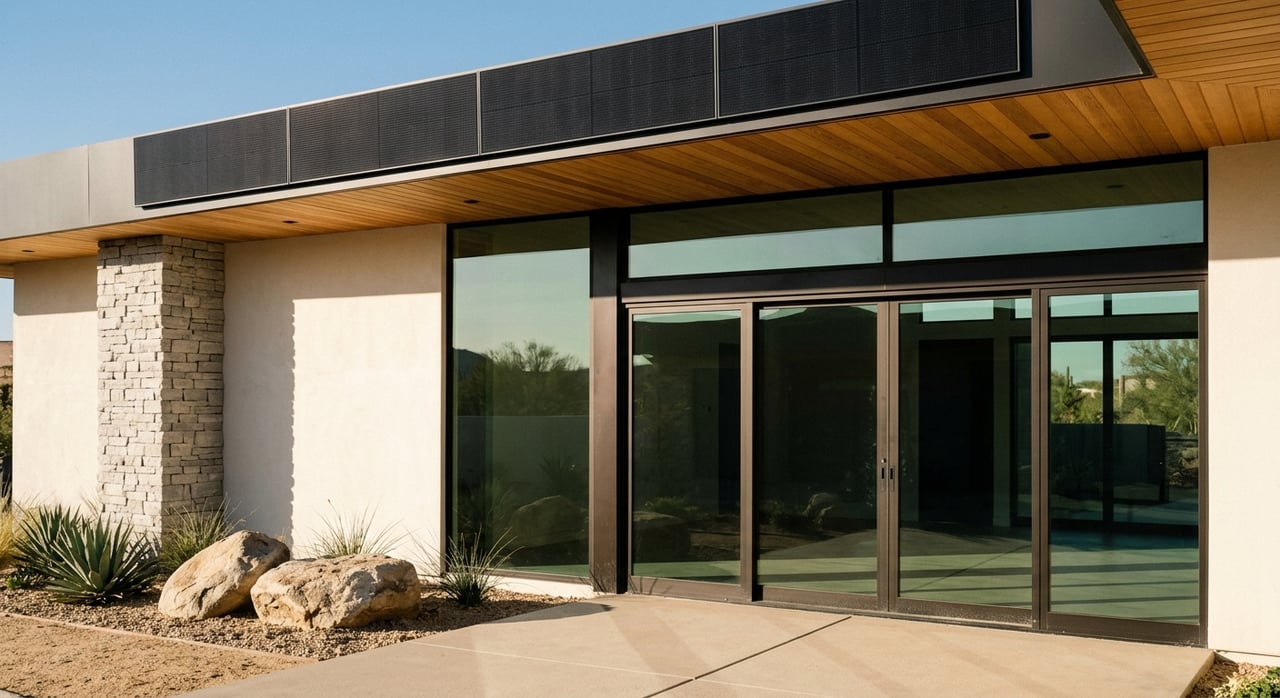
The DOE says ENERGY STAR-qualified windows can save as much as 7% to 15% or more on annual household energy bills. SRP’s residential rebate page also notes that about 50% of the heat entering homes comes through windows and lists rebates for replacement windows as well as shade screens and window film. In Tempe, those are easy features to connect to a buyer’s experience, especially in west- or south-facing rooms.
Insulation, air sealing, and ducts
These are not always flashy upgrades, but they can make a big difference in how a home feels. If the cool air stays where it should, the HVAC system does not have to work as hard.
The DOE’s guidance on professional home energy assessments recommends whole-home air sealing, insulation in areas like attics and walls, and sealing or insulating ducts in unconditioned spaces. SRP also currently offers rebates for insulation and duct repair. Buyers may not see these improvements right away, but they often appreciate them when they are documented and explained clearly.
HVAC condition and efficiency
In Tempe, buyers pay attention to the air conditioning system because they know they will rely on it for much of the year. A newer or well-maintained system can help a home feel more dependable from day one.
The DOE’s home cooling systems guidance highlights maintenance, filters, weatherization, and energy-efficient equipment as ways to improve cooling performance. That means even if a seller is not replacing the system, basic service, clean filters, and maintenance records can still strengthen the home’s comfort story.
What buyers are really evaluating
When buyers notice energy-efficient features, they are usually measuring three things at once.
Comfort
Does the home feel consistent from room to room? Are sunny areas manageable in the afternoon? Do upper levels or bonus spaces stay comfortable? Buyers may not use technical language, but they often notice when a home feels balanced and well protected from heat gain.
Monthly operating costs
Many buyers want homes that are easier to live in, not just attractive on paper. Lower energy use can support more predictable monthly expenses, which is one reason utility-bill conversations matter in showings and listing materials.
Maintenance confidence
Energy efficiency can also signal that a home has been cared for thoughtfully. A serviced HVAC system, updated thermostat, improved windows, or attic insulation suggests the seller paid attention to performance, not just cosmetics.
Smart upgrade priorities for Tempe sellers
If you are preparing to list, you do not need to do everything at once. The best pre-listing improvements are often the ones buyers can understand quickly and that support the comfort story of the home.
Start with low-friction upgrades
The research points to a practical order of operations. Before listing, consider steps like:
- Servicing the HVAC system
- Replacing HVAC filters
- Installing a smart thermostat
- Sealing obvious air leaks
- Improving attic insulation if it is underperforming
These updates are relatively straightforward, and they help reinforce that the home is ready for Tempe’s heat.
Use an energy assessment if needed
If you are not sure where your money will go furthest, a professional energy assessment can help. The DOE says these assessments often lead to recommendations such as air sealing, insulation, duct sealing, and heating or cooling improvements. That can be useful if you want to focus on the upgrades with the clearest impact.
Address heat gain where buyers feel it
If your home has older windows or strong west or south exposure, window-related improvements may offer a clear benefit. Even if full replacement is not the first step, shade screens or window film can help reduce heat gain and give buyers a more immediate sense of comfort.
Why documentation helps your home stand out
Tempe buyers are more likely to trust energy-efficiency claims when they are backed by records. A listing that simply says “energy efficient” is less persuasive than one that shows what was actually done.
Helpful documentation may include:
- Installation receipts
- Warranty information
- HVAC service records
- A recent energy assessment
- Rebate or upgrade paperwork
This kind of detail makes it easier for buyers to connect the features they see with real value. It also helps your agent market the home more clearly and confidently.
Rebates can add useful context
Utility incentives should never be the whole reason to make an upgrade, but they can help support the decision. In the Phoenix area, current programs may offer rebates for improvements buyers already care about.
SRP currently lists rebates for smart thermostats, insulation, duct repair, replacement windows, and professionally installed shade screens or window film on its residential rebates page. APS also offers Cool Rewards for eligible smart thermostats. Since terms can change, it is smart to confirm current program details with your utility provider before moving forward.
How this shapes your buying or selling strategy
If you are buying in Tempe, energy-efficient features can help you look beyond surface finishes and understand how a home may perform in real life. During showings, pay attention to windows, thermostat type, HVAC condition, and whether the seller can document attic, duct, or insulation work.
If you are selling, focus on the features that buyers connect most directly to comfort and cooling costs. In this market, visible upgrades and clear records often go further than broad claims. The goal is not just to say the home is efficient. The goal is to show why it feels better and may cost less to run.
When you are ready to position your home for today’s Tempe buyers or want help evaluating which features matter most during your search, Michelle Mazzola offers the kind of local, concierge-level guidance that helps you make smart, confident decisions.
FAQs
What energy-efficient home features matter most to Tempe buyers?
- Tempe buyers often notice smart thermostats, updated windows, shade screens or window film, insulation, duct improvements, and a well-maintained HVAC system because those features connect directly to comfort and cooling costs.
Why do windows matter so much in Tempe homes?
- In Tempe’s hot, sunny climate, windows can be a major source of heat gain, and both DOE and SRP materials highlight how efficient windows, shade screens, and window film can help reduce that load.
Should Tempe sellers install a smart thermostat before listing?
- A smart thermostat is often a practical pre-listing upgrade because it is visible during showings, easy for buyers to understand, and may also qualify for utility incentives depending on the provider.
How can a Tempe seller prove energy-efficiency upgrades to buyers?
- A seller can strengthen credibility by sharing installation receipts, warranty details, HVAC service records, rebate paperwork, or a recent professional energy assessment.
Are there energy rebates available for Tempe homeowners?
- Tempe homeowners may find current rebates through providers like SRP and APS for items such as smart thermostats, insulation, duct repair, replacement windows, and shade-related window improvements, depending on eligibility and current program terms.
What should Tempe buyers ask about HVAC when touring a home?
- Buyers should ask about the system’s age, maintenance history, filter changes, and whether there are any records showing recent service or efficiency-related improvements.