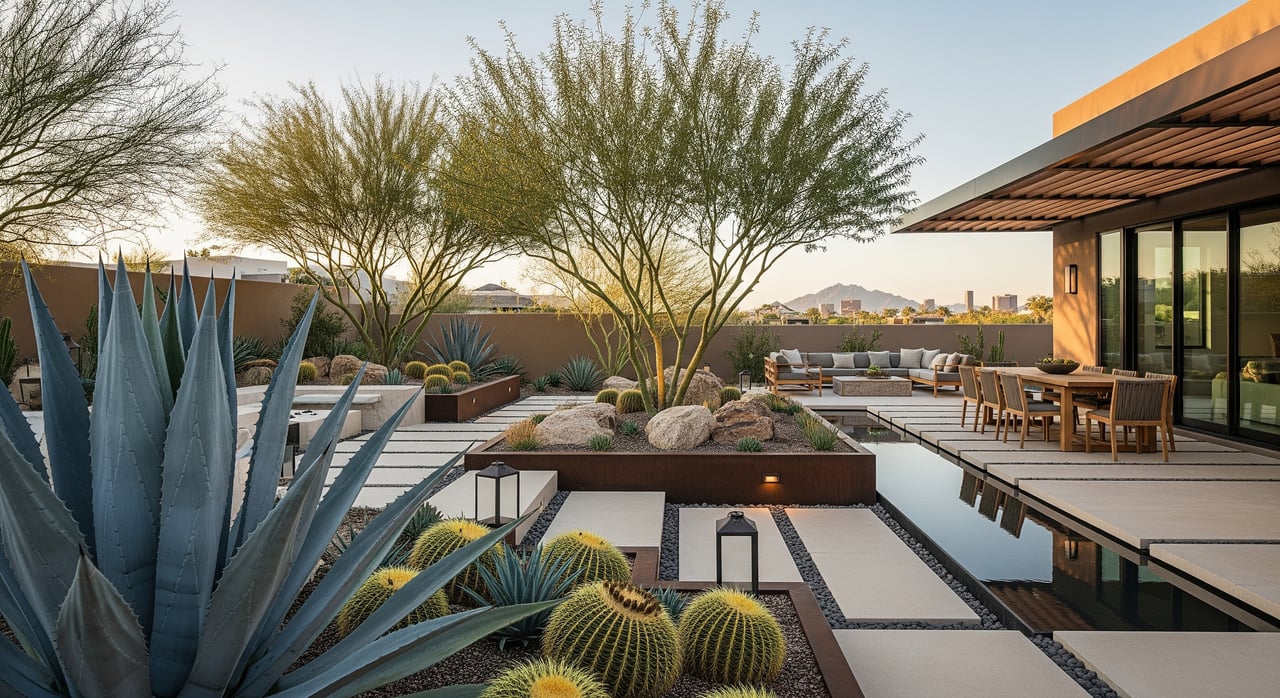
Is your yard ready for a Tempe summer? With triple‑digit heat and little rain, traditional lawns struggle and waste water. You want a landscape that looks beautiful, stays cool, and keeps maintenance under control. In this guide, you’ll learn how to plan a Tempe‑ready xeriscape, choose low‑water plants, design smart shade, and tap into local rebate resources. Let’s dive in.
Why desert landscaping fits Tempe
Tempe’s hot desert climate means you benefit from plants that thrive with heat and minimal water once established. A well‑planned xeriscape can lower outdoor temperatures, cut irrigation needs, and still deliver curb appeal. You can also reduce long‑term maintenance with the right mix of trees, shrubs, and groundcovers. The key is matching plants and design choices to your site and sun exposure.
Start with a simple plan
Map sun, soil, and utilities
Walk your yard and note where sun hits in the morning, midday, and late afternoon. Mark utility lines, gates, and views you want to highlight or screen. Check how water drains after a rare storm so you can avoid soggy spots and direct runoff away from your home.
Create functional zones
Decide how you will use each area. Common zones include an entry for curb appeal, a shaded seating area, a play or pet zone, and low‑water planting beds. Keep high‑use areas closer to the house. Use clear edges and defined pathways to create a clean, HOA‑friendly look.
Group plants by water need
Hydrozoning prevents overwatering and keeps plants healthier. Place similar water users together on the same irrigation line. Keep any higher water plants near your home where shade or roof runoff helps.
Tempe‑ready plant palette
Choose natives and well‑adapted species that handle heat and need little water once established. For plant lists and planting calendars, explore the regionally focused guides from the University of Arizona Cooperative Extension and the Arizona Municipal Water Users Association.
Shade and canopy trees
- Palo Verde. Native, fast shade, distinctive green trunks.
- Mesquite. Very drought‑tolerant with deep roots. Choose compact varieties near sidewalks.
- Desert Willow. Narrow canopy, showy blooms that attract hummingbirds.
- Chinese Pistache. Drought‑tolerant with colorful fall foliage.
Place canopy trees on the west and southwest sides to shade walls and windows in late afternoon. Always consider mature size, overhead lines, and solar panel placement.
Accent trees and large shrubs
- Palo Blanco and Cassia for airy texture and seasonal color.
- Arizona or Texas ash in suitable locations. Verify space and utilities.
- Olive trees may be restricted in some HOAs. Confirm before planting.
Shrubs and perennials
- Texas sage. Evergreen, low water, bursts of color after monsoon.
- Salvias. Drought‑tolerant and pollinator‑friendly.
- Brittlebush. Native with silver foliage and spring flowers.
- Blackfoot daisy. Long‑blooming, low mounding form.
Succulents and cacti
- Agave, yucca, aloe, prickly pear, and ocotillo add strong form and texture.
- Keep spiny or tall species away from paths and play zones for safety and HOA acceptance.
Groundcovers and seasonal color
- Dymondia for a low, tidy mat that tolerates heat and light foot traffic.
- Trailing lantana for color and resilience.
- Native wildflowers and penstemon or gaillardia for seasonal bursts. Expect extra water during establishment.
- Consider artificial turf only where allowed and useful. Confirm HOA rules before installing.
For plant ideas and real‑world inspiration, the Desert Botanical Garden offers regional examples and photos.
Xeriscape principles made easy
- Plan to your site. Match plants to sun, soil, and space.
- Minimize turf. Keep it only where it serves a function like play.
- Use efficient irrigation. Drip lines for beds and trees, rotors for any small turf area.
- Mulch to conserve moisture. Maintain 2 to 3 inches and keep it off trunks.
- Group by water needs. Keep high and low water plants on separate zones.
- Improve soil where needed. Correct grading and avoid over‑tilling.
- Add groundcover and rock. Reduce bare soil to limit weeds and evaporation.
Hardscape that stays cool and looks clean
Choose materials that handle sun and reduce heat buildup. Light decomposed granite, permeable pavers, flagstone, or pea gravel work well. Avoid dark rock right by entry paths where radiant heat can be intense. Use clear edging, a limited rock color palette, and defined borders for a polished, HOA‑friendly finish. A thin gravel buffer between sidewalk and planting beds keeps maintenance tidy.
Smart shade that boosts comfort
Shade makes outdoor spaces usable in summer. Combine young shade trees with immediate options like pergolas, shade sails, or covered patios. Use UV‑resistant materials suited to desert sun. Trellises with heat‑tolerant vines can add seasonal shade. Prioritize the west side of your home and outdoor seating areas to lower surface temperatures and improve comfort.
Irrigation that saves water
- Use drip irrigation for trees, shrubs, and succulents. It delivers water to roots with minimal loss.
- Install a WaterSense labeled smart controller so schedules adjust to weather. Learn more at EPA WaterSense.
- Water deeply but infrequently to encourage deep roots. Early morning is best.
- Separate zones by plant type and sun exposure.
- Check emitters seasonally and adjust run times as temperatures change.
Where to check for rebates
Local incentives can help offset costs for turf removal, smart controllers, and irrigation upgrades. Programs change, so verify current details before you buy or apply.
- Salt River Project. Many Tempe households are SRP customers. Review SRP’s customer conservation and rebate pages to confirm eligibility and current offers at SRP.
- City of Tempe. Check the city’s water conservation pages for watering schedules, audits, and any active landscape incentives.
- Regional resources. AMWUA often shares seasonal programs and best practices at AMWUA.
- Product guidance. Look for WaterSense labeled devices at EPA WaterSense.
Tip: keep receipts, take before and after photos, and ask your contractor for an irrigation plan. You often need documentation to qualify.
HOA friendly design and approvals
Review your HOA CC&Rs before you start. Many associations require a landscape plan and pre‑approval.
- Provide a simple plan with plant list, sizes at planting, and mature sizes.
- Show edging, rock color, and irrigation method to demonstrate a clean, uniform curb view.
- Limit visible drip tubing and keep cacti away from sidewalks for safety.
- Include a basic maintenance plan covering pruning, weed control, and seasonal irrigation adjustments.
- Share photos or renderings to show the finished look.
Project timelines and costs
Typical timelines
- Small front yard refresh. Weekend to one or two weeks.
- Turf conversion with drip retrofit. About one to two weeks once approved.
- Full redesign with pavers or pergola. Multi‑week project that may need permits.
Budget drivers
Hardscape and labor often lead costs. Larger trees cost more but deliver faster shade. Irrigation upgrades and smart controllers add up front cost but save water over time. Get several bids and ask for itemized proposals so you can compare plants, materials, irrigation, and cleanup line by line.
Care and maintenance
Xeriscape means lower maintenance, not no maintenance. Plan for seasonal pruning, weed control, and occasional plant replacement. Adjust irrigation throughout the year. Watch fast growers and keep walkways clear. A quick monthly walk‑through helps you spot leaks, clogged emitters, or stressed plants early.
Four design ideas to copy
Clean Desert Modern
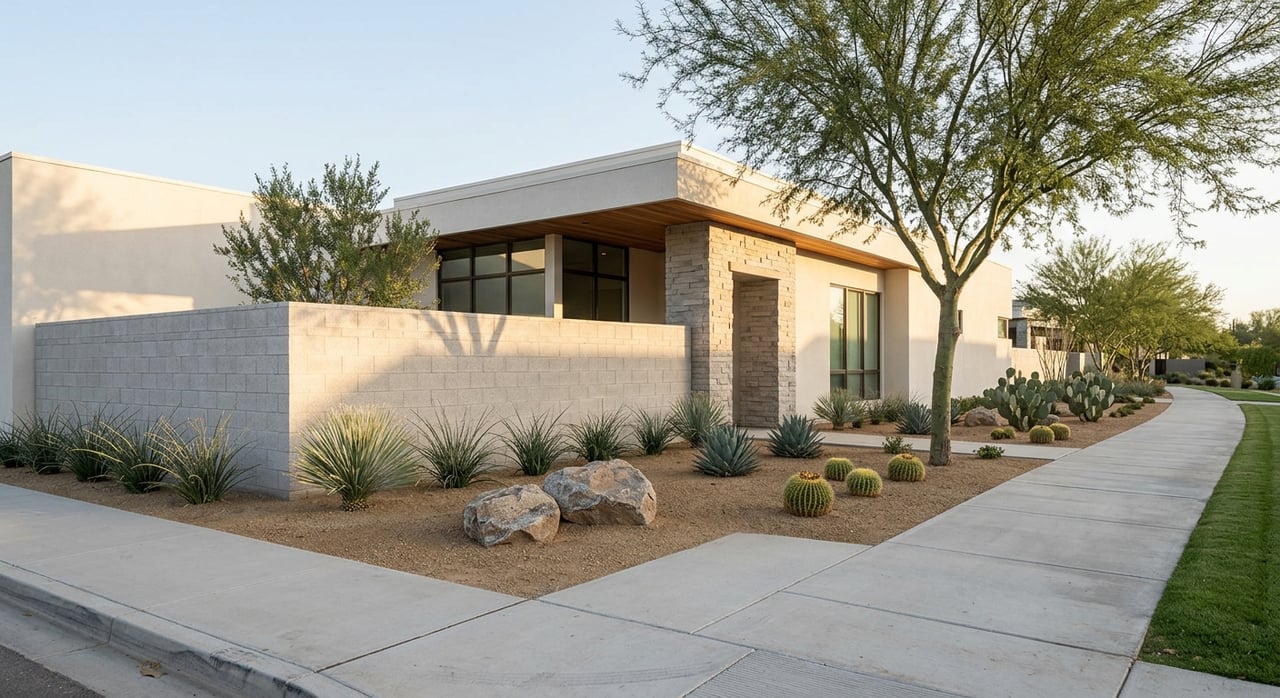
Defined decomposed granite paths, two symmetrical specimen trees like palo verde or pistache, and linear beds with repeating groundcovers and salvias. Keep the palette tight for a refined look.
Shade Courtyard
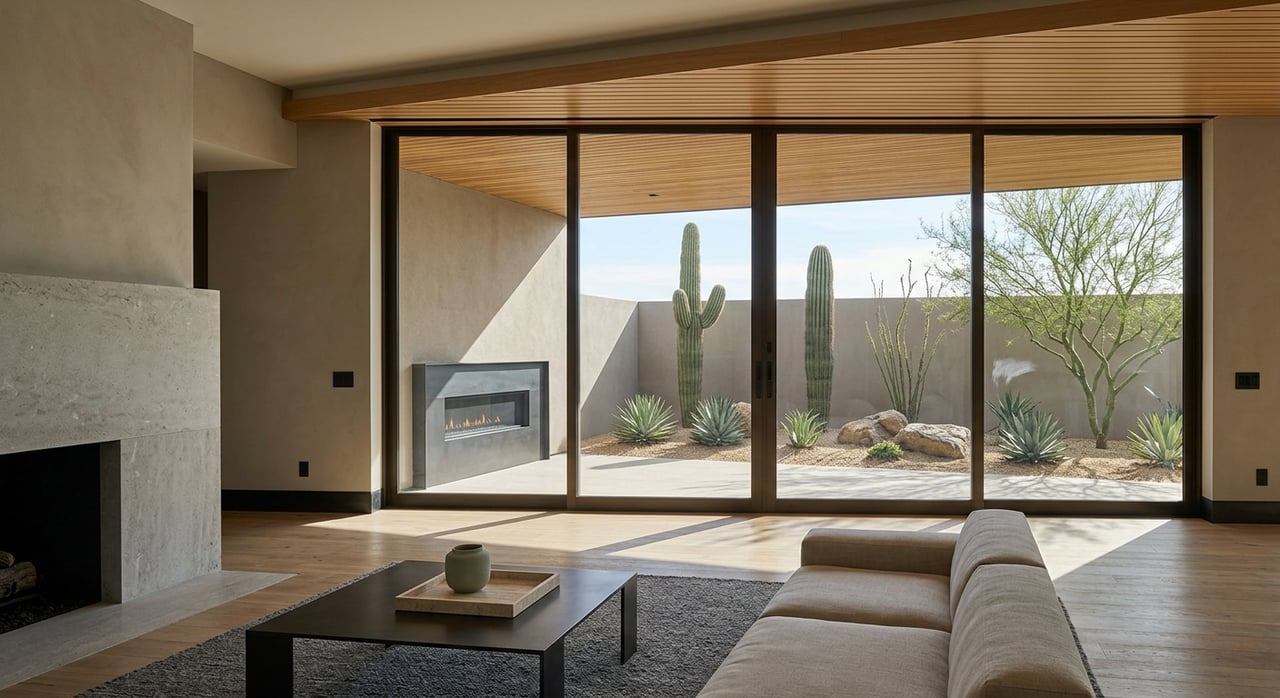
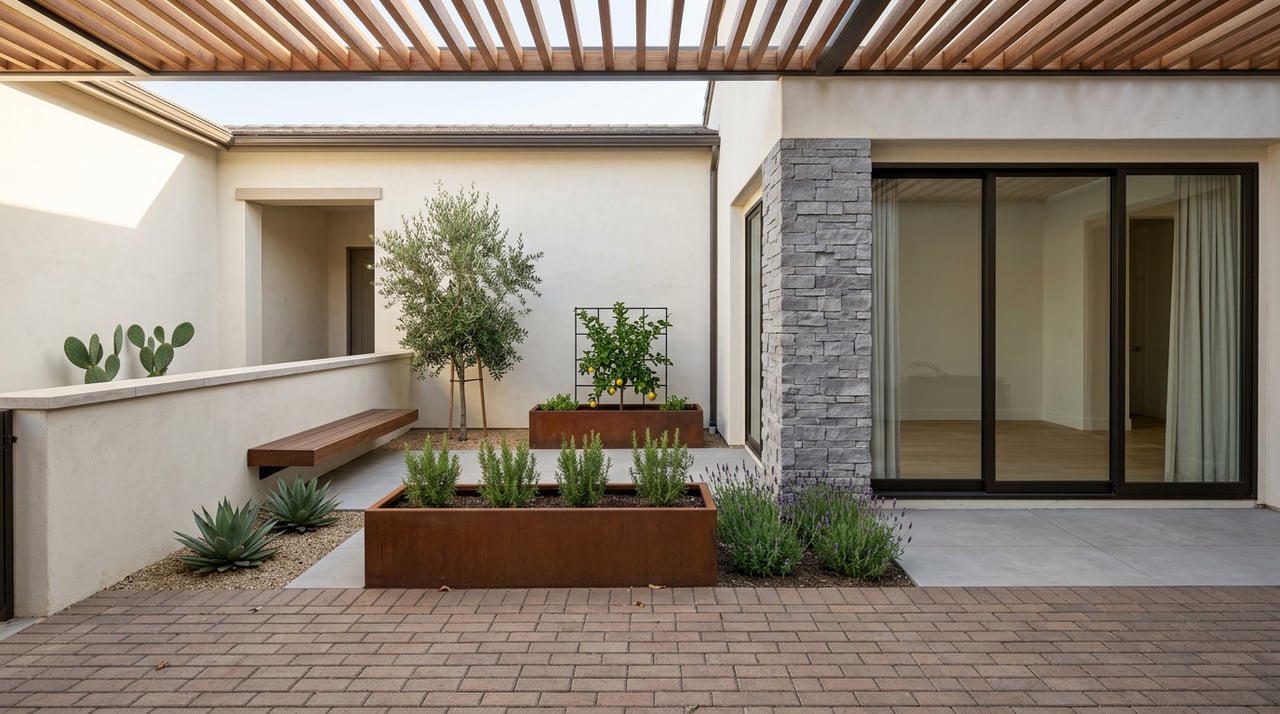
Create a seating area with a pergola or shade sail, add potted succulents, and plant a desert willow for dappled shade. A hard surface keeps maintenance low and entertaining easy.
Pollinator Border
Use a narrow strip of native flowers such as penstemon, gaillardia, and salvia on drip. You get seasonal color and habitat with minimal water.
Low‑maintenance Entry
Near the sidewalk, choose thornless succulents, a single focal tree, and neat gravel with clean steel or concrete edging. It looks tidy and needs only seasonal touch‑ups.
Ready to create a yard that beats the heat, saves water, and elevates your home’s value? For local guidance on Tempe neighborhoods, HOA processes, and features that appeal to today’s buyers, connect with Michelle Mazzola. Schedule a personalized consultation and get a plan tailored to your home.
FAQs
What is xeriscaping for Tempe homeowners?
- Xeriscaping is a design approach that reduces water use by choosing drought‑tolerant plants, grouping them by water needs, and using efficient irrigation like drip.
Which shade trees work best in Tempe’s heat?
- Palo verde, mesquite, desert willow, and Chinese pistache perform well when placed with mature size and sun exposure in mind.
How can I use less water without losing curb appeal?
- Combine canopy trees for shade, low‑water shrubs and succulents, and a consistent rock or mulch palette. Drip irrigation and a smart controller help maintain a healthy look with less water.
Are HOAs in Tempe okay with xeriscape designs?
- Many allow water‑wise landscapes, but you usually need pre‑approval. Submit a clear plan, plant list, edging details, and a maintenance outline to support approval.
Where can I find Tempe‑specific plant guidance?
- Explore regional resources such as the University of Arizona Cooperative Extension, AMWUA, and the Desert Botanical Garden for plant lists and design ideas.
What irrigation upgrades qualify for rebates near Tempe?
- Programs change, but smart controllers and turf conversions are common targets. Check current options with SRP at SRP and review the EPA’s WaterSense product guidance.